
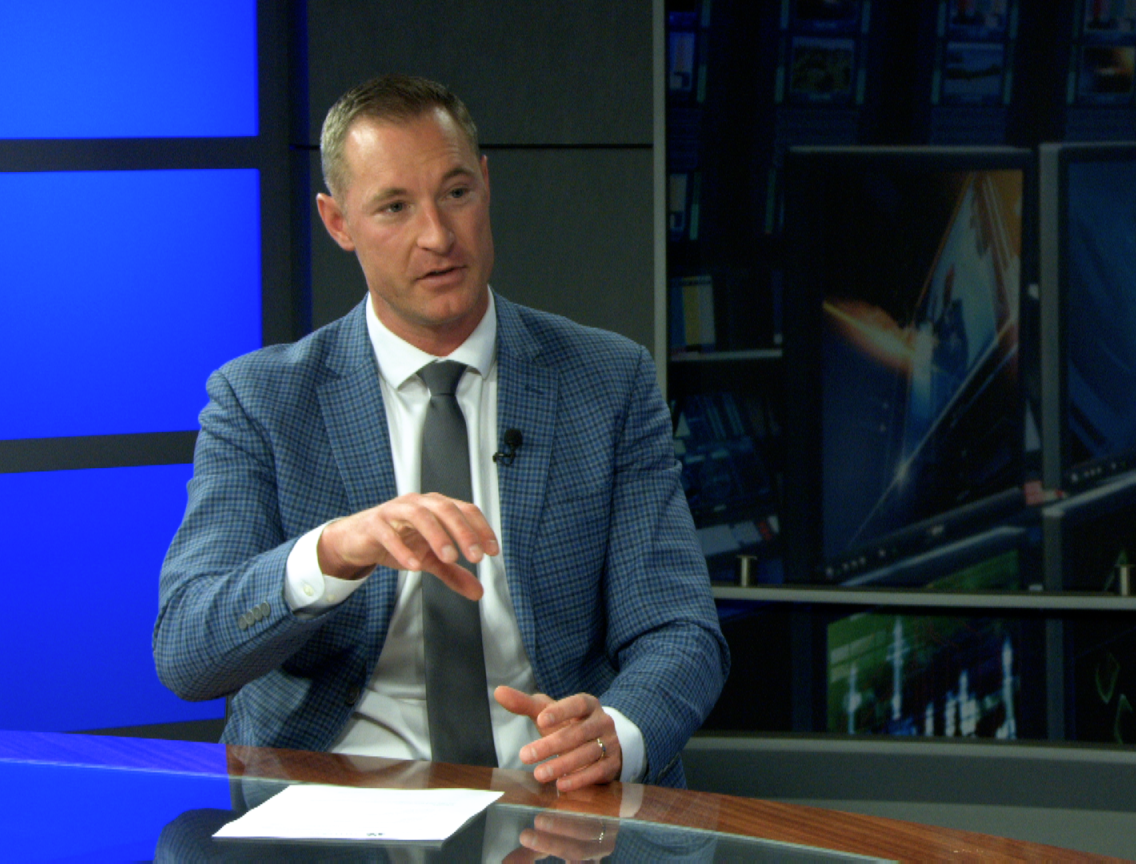
Watch the clip above to hear Dr. Swarbrick break down all eight cost factors in full, and learn why the cheapest quote isn’t always the most affordable path forward.
The cost of dental implants is one of the first things people want to understand, and one of the hardest to get a straight answer on. Prices vary widely depending on where you go, who performs the procedure, what materials are used, and how much work your specific case requires.
In this short clip, REVA oral surgeon Dr. Jordan Swarbrick walks through the eight factors that drive the cost of dental implants. Whether you’re comparing providers, trying to understand a quote you received, or just starting your research, this breakdown will help you ask the right questions.
What Drives the Cost of Dental Implants
- Number of offices involved. Seeing multiple specialists across separate practices means multiple bills. REVA’s doctor-owned, all-under-one-roof model keeps everything in one location—one office, one fee.
- Type of implants used. Not all implants are the same. REVA uses the gold standard in implant materials, built to last a lifetime. Cheaper implants may cost less upfront and more down the road.
- Advanced technology. Digital scans (no hard molds) speed up procedure time. You’ll wake up from surgery with new teeth in just 4 hours. We also use PRF therapy (Platelet-Rich Fibrin), a process that uses a small sample of your own blood to help speed healing and reduce discomfort after surgery.
- Insurance and financing. Most insurance plans max out at $1,000 to $2,000 for this procedure. REVA works with patients on financing options that make low monthly payments possible for most people.
- The type of teeth being placed. Snap-in dentures and fixed implants are not the same thing. Low advertised prices often reflect removable acrylic teeth, not the permanent zirconia set most patients are looking for.
- Material quality. Zirconia is the gold standard: durable, natural-looking, and built to last a lifetime. Acrylic breaks, needs repairs, and typically doesn’t hold up over the long term.
- The extent of your surgery. Some cases require more extractions, bone grafting, or additional procedures before implants can be placed. REVA won’t know the full picture until reviewing your 3D scan at your consultation.
- Experience of the surgical team. Less experience tends to produce worse outcomes and often ends up costing more when work needs to be redone. General dentists routinely refer complex cases to oral surgeons for this reason.
REVA prices its full-mouth reconstruction procedure approximately 30% below the national average. Because every case is different, the only way to get an accurate number is to sit down with the team, review your scan, and go over your options. That consultation is free.